Boiler maintenance. What do you need to know about it?
3 minutes of reading
By GroupSumi
July 25, 2023
Proper maintenance of boilers is essential to ensure their optimal performance and guarantee safety in both homes and businesses. Boilers, being heating and/or hot water production equipment, require regular and thorough inspections to prevent potential breakdowns and to maximize their energy efficiency.
Proper maintenance of boilers is essential to ensure their optimal performance and guarantee safety in both homes and businesses. Boilers, being heating and/or hot water production equipment, require regular and thorough inspections to prevent possible breakdowns and to maximize their energy efficiency.
In this blog, we will learn why boiler maintenance is crucial and how to follow some guidelines to keep it functioning well over time.
What is Boiler Maintenance?
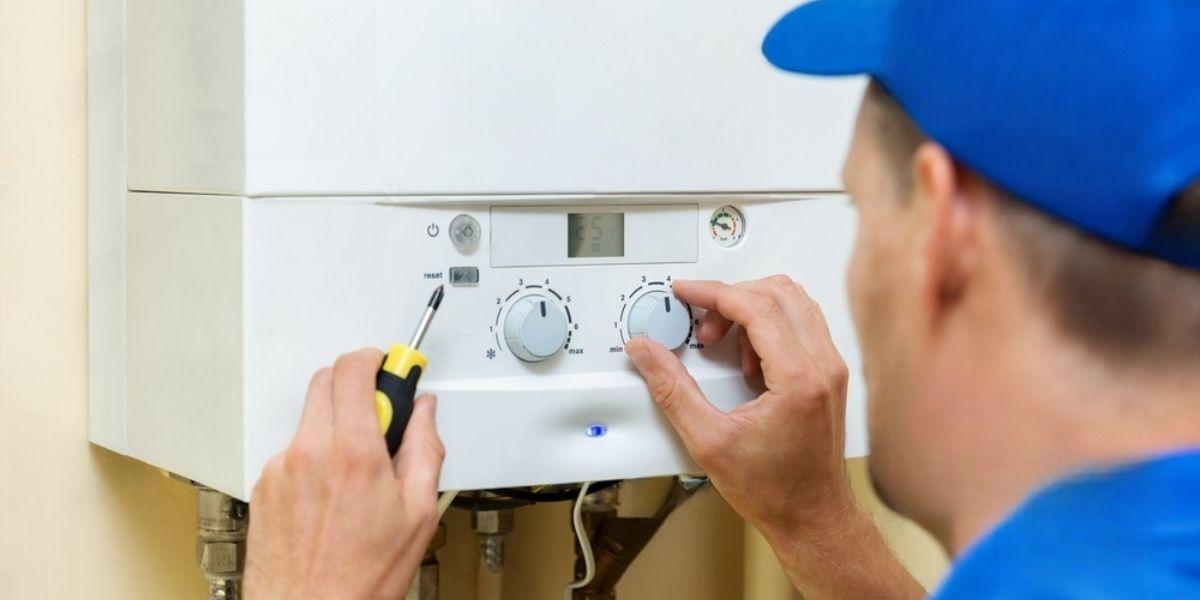
Boiler maintenance must be carried out by specialized and certified technicians in heating and cooling systems. These professionals have the knowledge and skills necessary to identify and resolve potential problems, ensuring the proper functioning of the boiler and ensuring the safety of users.
Who performs boiler maintenance?
Boiler maintenance must be carried out by specialized and certified technicians in heating and cooling systems. These professionals have the knowledge and skills necessary to identify and resolve potential problems, ensuring the proper functioning of the boiler and ensuring the safety of users.
What points are reviewed during the maintenance of the boiler?
During a maintenance review, the specialized technician will focus on carefully inspecting and adjusting different components of the boiler to ensure its optimal performance. Some key points that are reviewed are:
- Burner and combustion system: The technician will check that the burner is clean and in good condition. They will also adjust the air-fuel mixture for efficient combustion and to reduce harmful emissions.
- Heat exchanger: The heat exchanger will be inspected and cleaned, as the accumulation of dirt can affect heat transfer and the overall efficiency of the boiler.
- Safety valves: The proper functioning of the safety valves will be checked to ensure that the boiler can release pressure appropriately in case of an emergency.
- Pressure and temperature: The technician will verify the pressure and temperature levels to ensure they are within the recommended ranges and that the system is functioning correctly.
- Controls and safety systems: The controls and safety systems, such as thermostats and temperature limiters, will be reviewed and calibrated to ensure their accuracy and proper functioning.
- General cleaning: The interior of the boiler and its components will be cleaned to remove any dirt accumulation that may affect its performance.
- Leak check: The technician will inspect the connections and pipes for possible water or gas leaks, repairing any issues found.
- Energy efficiency: The energy efficiency of the boiler will be evaluated, and recommendations will be made to improve it and save energy.
Benefits of regular maintenance
- Greater energy efficiency: Periodic maintenance allows the boiler to operate more efficiently, resulting in lower fuel consumption. A clean and well-tuned boiler makes better use of energy and reduces heating or hot water production costs.
- Long-term economic savings: By improving energy efficiency, regular boiler maintenance results in significant savings on the energy bill. Although there is a cost associated with maintenance, it is minimal compared to the savings obtained over the boiler's lifespan.
- Prolongation of the boiler's lifespan: Proper and timely maintenance helps prevent premature wear and damage to the boiler's components. This extends the equipment's lifespan, avoiding costly repairs or early replacements.
- Reduction of breakdown risks: During maintenance, certified technicians identify and correct potential problems before they become serious breakdowns. Early detection of failures prevents interruptions in heating or hot water supply and minimizes the risk of costly repairs.
- Greater safety: Boiler maintenance ensures that safety valves and other protection systems function correctly. This helps avoid dangerous situations, such as gas leaks or pressure increases that could jeopardize the safety of occupants.
- Compliance with regulations and standards: In many places, there are regulations and standards that require periodic maintenance of boilers. Performing maintenance according to these provisions ensures that the boiler meets established safety and environmental standards.
- Improved performance and comfort: With a boiler in optimal condition, better performance in heat or hot water production is achieved, resulting in greater comfort at home or in the workplace.
- Lower environmental impact: A well-maintained and adjusted boiler produces fewer pollutant emissions, contributing to reducing environmental impact and promoting sustainability.
- Compliance with warranties: Some manufacturers require regular maintenance to keep the boiler's warranty valid. Performing inspections according to the manufacturer's specifications ensures the warranty's validity in case any issues arise.
Returns within 30 days
Shop with peace of mind. If something goes wrong, we'll take care of it.
After-sales service
Any questions? Our support team will be happy to help you.
Pay how and when you want
Card, bank transfer, PayPal... Installment? We have them all.
GroupSumi is your online distributor for construction, electrical material and climate control.





All rights reserved © 2026 GroupSumi