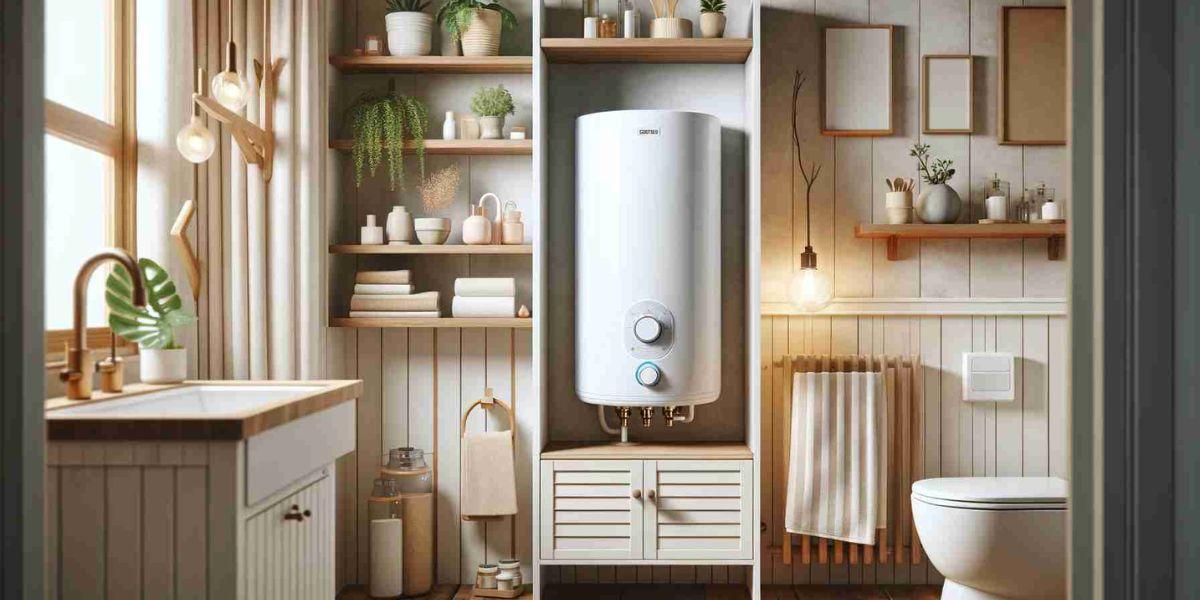
Choosing theelectric water heatersuitability for your home or project is not only a matter of comfort but also ofefficiency and energy savingsIn this guide, we provide you with a detailed overview of the key aspects you should consider to make an informed and satisfactory purchase, from selection to home delivery.
Don't miss a thing!
What aspects should be considered when choosing an electric water heater?
The choice of the perfect electric water heater depends on a clear understanding of your specific needs and the characteristics of your space. Below, we break down the most important factors:
Capacity and dimensions
Before asking yourself "how to choose an electric water heater,"consider the size of your home or facility and the demand for hot waterElectric water heaters come in a variety of capacities, typically between 30 and 300 liters.
For small families, a model of 50 to 80 liters is usually sufficient, while larger homes or spaces may require one of 150 liters or more. It is crucial to measure the space where you plan to install the water heater to ensure it fits perfectly.
We explain it to you in more detail in this post 👉How many liters should an electric water heater be?
Energy efficiency
Energy efficiency is a critical aspect in the choice of an electric water heater. Models withenergy rating A or higherthey ensure lower energy consumption and, therefore, significant savings on the electricity bill in the long term. Look forwater heaters with high-quality insulationto minimize heat loss.
If you want to know more about this topic, we recommend that you pay attention to our post abouthow to save with an electric water heaterand the key steps.
Durability and maintenance
The lifespan of an electric water heater and its maintenance needs are also important considerations. Models withenameled or stainless steel tanksgreater resistance to corrosion and durability. In addition, some water heaters includescale protection systems, which is especially useful in areas with hard water.
👉 Did you know? How to drain an electric water heater. Easy and simple.
Type of resistance
The type of heating element is a determining factor in the efficiency, durability, and maintenance of the electric water heater. There are mainly two types:
Sheathed resistance (protected):This resistance is in direct contact with the water, allowing it to heat efficiently. However, it may be more susceptible to limescale buildup, especially in areas with hard water. It is ideal for soft water areas or for those who prefer greater energy efficiency and are willing to perform maintenance more frequently.
Ceramic resistance (dry):It is insulated from direct contact with water by a sheath. This reduces the formation of scale and facilitates maintenance, making it a preferred option in areas with hard water. Although it may be less efficient in terms of heat transfer compared to the sheathed resistance, its longer lifespan and ease of maintenance compensate for this aspect.
The choice between a sheathed or ceramic resistance will depend on the quality of the water in your area, your personal preferences regarding maintenance and efficiency, and the desired durability of your electric water heater.
Additional features
Some electric water heaters offer advanced features such asdigital temperature control, eco modes, and scheduled programmingthat can improve the comfort and efficiency of use. TheWiFi connectivity, although not essential, allows you to control and adjust your water heater remotely, a modern convenience that many appreciate.
Price and warranty
Price is undoubtedly a factor to consider, but it should not be the only one. A more expensive electric water heater may offer better energy efficiency features and long-term durability. Additionally, check themanufacturer's warranty, as this can provide you with peace of mind and protection against possible defects.
Placement
The placement is crucial for the performance and efficiency of the electric water heater. Consider whether you need a model forvertical or horizontal installation, depending on the available space.
Thevertical water heaters are ideal for small spaces, whilehorizontal ones can be more convenient to install on false ceilings or in attics.
Additionally, make sure that the chosen location allows for easy access for maintenance and is close to the points of use to minimize heat loss in the pipes.
Installation
The installation of your electric water heater should be carried out by a qualified professional to ensure its proper functioning and compliance with safety regulations. Some manufacturers offer installation services, or you can choose a trusted local installer.
Our recommendations for electric water heaters for you
Horizontal/vertical electric water heater 80 liters
Brand: AKUA
Buy now
Electric Water Heater Tiber C 100L
Brand: FERROLI
Buy now
Elacell 80L Vertical Electric Water Heater
Brand: JUNKERS
Buy now
👉 You are interested! How long does it take for an electric water heater to heat up
Conclusion
Knowing how to choose an electric water heater involves considering several key factors, from capacity and energy efficiency to installation and maintenance. By following this guide, you will be able tomake an informed decision that fits your needs, ensuring comfort and efficiency in your home.
For more information and personalized advice, feel free to contact our team of experts at GroupSumi. We are here to help you find the perfect electric water heater for your home.
Frequently Asked Questions
How do I determine the capacity of the electric water heater I need?
The ideal capacity depends on the number of people in the household and their hot water consumption. As a general rule, calculate about 30-50 liters per person.
What maintenance does an electric water heater require?
Regular maintenance includes checking the magnesium anode for corrosion protection, cleaning sediments, and verifying pressure and temperature.
What are the most common faults of an electric water heater?
The most common breakdowns in an electric water heater are:
Lime buildup:It affects heating efficiency and can damage the heating element.
Failure in the heating element:It prevents the proper heating of the water.
Problems with the thermostat:It can cause the water not to reach the desired temperature or to overheat.
Water losses:Leaks in the connections or in the tank due to corrosion.
Electrical failures:They include issues with the power supply, wiring, or internal electrical components.
These breakdowns can be minimized with regular maintenance and by using equipment suited to the water quality in your area.
How long does an electric water heater last?
A well-maintained electric water heater can last between 10 and 15 years, depending on the water quality, usage, and maintenance.
How do I know if I need to change my water heater?
This means being attentive to certain signs that indicate that its efficiency, performance, or safety are no longer optimal. Here are some key indicators:
If your electric water heater is over 10-15 years old, it might be time to consider replacing it, even if it still works, due to advancements in efficiency and technology.
An unexplained increase in electricity consumption may be a sign that the water heater is losing energy efficiency.
Longer heating time.
Excessive noise: Noises such as banging or creaking can indicate sediment buildup or problems with the heating elements.
Any sign of water leakage around the heater is a clear indication that it may need to be replaced.
Water does not reach the desired temperature: If the water does not heat properly or there are fluctuations in temperature, the thermostat or the heating element may be faulty.
Visible corrosion: The presence of rust or corrosion on the tank or water connections suggests that the integrity of the heater is compromised.
In the presence of any of these symptoms, it is advisable to conduct a professional assessment to determine whether it is more convenient to repair the existing water heater or replace it with a new one. Choosing a new electric water heater can improve energy efficiency, provide better performance, and ensure safety in the home.